
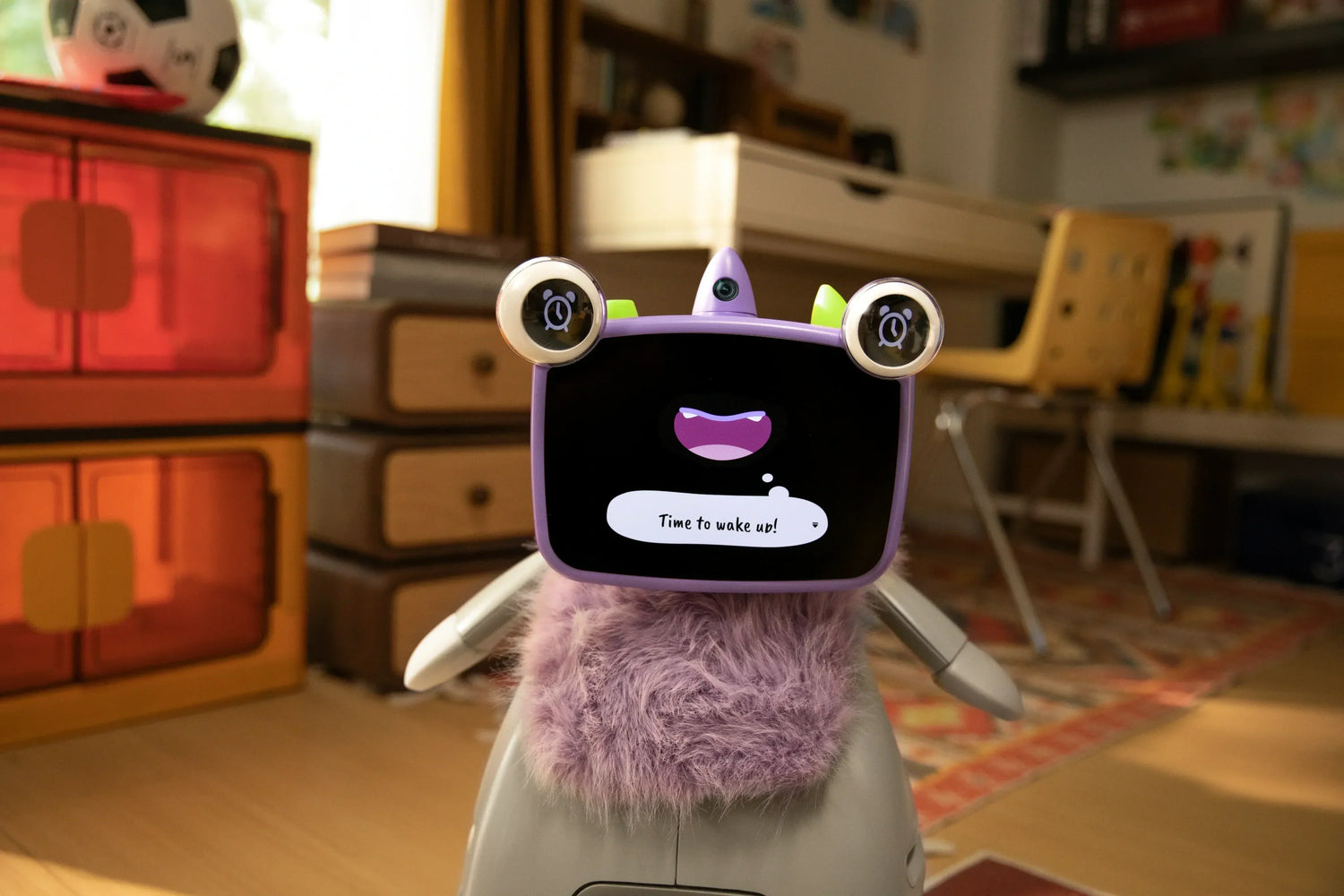
Key Takeaway
Choosing between a living animal and an AI robot pet comes down to your personal lifestyle, budget, and daily schedule. Living pets bring warm, natural physical affection, but require substantial long-term care, daily feeding, and healthcare expenses. An AI powered robot pet provides interactive, low-maintenance companionship without mess or veterinary bills. By comparing care needs, costs, and emotional presence, this breakdown helps you choose the companion that best matches your home environment.
AI Robot Pet vs. Real Pet: A Quick Comparison
The biggest distinction is low-maintenance, technology-based companionship versus caring for a living creature.
| Factor | AI Robot Pet | Real Pet |
| Daily care | Low | High |
| Feeding | Not required | Required |
| Grooming | Minimal | Often required |
| Veterinary care | Not required | Required |
| Physical affection | Limited/simulated | Natural |
| Interaction | AI-driven | Natural animal behavior |
| Personality | Designed/adaptive | Naturally developed |
| Housing restrictions | Usually easier | Varies |
| Travel flexibility | Generally higher | Requires planning |
| Long-term duty | Hardware/software ownership | Lifelong animal care |
Choosing a companion used to mean adoption or buying from a breeder. Today, an AI robot pet gives you another choice. Smart technology offers interactive company without the mess or daily chores. Neither option fits everyone. Living pets bring warm, natural affection, but demand heavy daily effort. Robotic pets offer low-maintenance interaction that fits busy routines. Your ideal choice depends on your daily schedule, budget, housing space, and personal expectations. Here is how both options stack up to help you decide.
How Much Time and Care Can You Give to a Companion?
Caring for a living creature requires consistent effort every single day, while modern machines rely on basic maintenance.
What Caring for a Real Pet Involves
Living animals need constant care throughout their lives. Owners must manage:
- Daily feeding schedules and fresh water supply
- Regular exercise, daily outdoor walks, or playtime
- Grooming, brushing, and bathing
- Cleaning up waste, litter boxes, or cages
- Behavioral training and social time
- Routine veterinary checkups and emergency visits
- Daily personal attention and long-term care commitments
What an AI Robot Pet Requires
Maintaining an AI pet robot focuses on hardware upkeep rather than health care. Typical duties include:
- Regular battery charging or docking
- Occasional surface cleaning and dusting
- Downloading software and app updates
- Maintaining internet connectivity when required
- Handling basic mechanical care
Which Is Better for a Busy Lifestyle?
If you work long hours, travel frequently, or keep an unpredictable schedule, an AI robot companion fits easily into your day. These devices stay safe while left alone for hours. They offer low-maintenance interaction, though owners still need to manage software updates and battery charging.
Which Option Fits Your Home and Living Situation?
Your physical environment plays a major role in deciding which companion makes sense for your space. Rent restrictions, travel demands, and allergies often limit traditional animal ownership.
Apartment Living
Apartment buildings frequently enforce strict pet restrictions, weight limits, or monthly pet rent fees. Barking dogs or active cats can trigger noise complaints from nearby neighbors. A home companion robot fits into small apartments seamlessly, producing no mess and minimal noise.
Frequent Travel
Taking trips with living pets involves booking pet sitters, paying expensive boarding fees, or finding pet-friendly hotels. Leaving a companion robot at home requires turning off the power switch, or you can easily pack small units into carry-on luggage.
Allergies and Pet-Related Restrictions
Dander allergies prevent millions of people from owning furry animals. Property rentals may also ban pets outright. Synthetic companions solve these environmental barriers, giving allergic individuals an interactive alternative.
If housing rules, travel schedules, or health conditions prevent animal ownership, technology offers a practical way to enjoy interactive presence at home.
AI Robot Pet vs. Real Pet: What Does Each Cost?
Evaluating ownership expenses requires looking beyond initial purchase prices. Ongoing maintenance, emergency costs, and software fees affect your overall household budget differently over time.
Upfront Costs
Buying a living pet involves adoption fees or purchase prices, along with immediate supplies like crates, bedding, collars, and initial vaccinations. An AI robot pet carries a single upfront retail price for hardware, though some units include companion apps or basic startup accessories.
Ongoing Costs
Real Pet Expenses:
- Monthly food and dietary treats
- Professional grooming services
- Routine veterinary care and prescriptions
- Pet insurance policies
- Replacement toys and bedding
AI Robot Pet Expenses:
- Minimal electricity for charging
- Optional software subscription fees
- Replacement parts or replacement batteries
- Post-warranty repair fees
Predictability Matters
Living pet expenses fluctuate unexpectedly due to sudden illnesses, dental procedures, or emergency vet visits. Robotic devices feature predictable costs, though hardware obsolescence or ending software support can eventually require buying new equipment.
Which Offers the Kind of Interaction You Want?
Social interaction feels different depending on whether you choose a living animal or an electronic companion. Both offer distinct experiences that appeal to different household needs.
Natural Interaction With a Real Pet
Living animals provide spontaneous warmth, soft physical touch, and unpredictable playfulness. They respond directly to human emotions, establish natural daily routines, and communicate through body language like tail wags or purring.
AI-Powered Interaction With a Robot Pet
An AI powered robot pet uses software algorithms, facial recognition, microphones, and touch sensors to react to voices and movements. They simulate expressive sounds, movements, and customized actions based on user inputs.

Personality and Personalization
While real animals develop unique temperaments naturally, a family companion robot uses adaptive code to learn user preferences over time. This adaptive behavior creates tailored responses, making the device feel like an active companion rather than a static mechanical toy.
Which Companion Is Better for Different People?
Different life stages call for different forms of companionship. Selecting the right option depends on household members, daily availability, and personal goals.
For Busy Adults
A robot companion for adults fits busy schedules perfectly when working long hours prevents regular dog walks. Working professionals can enjoy interactive responses without guilt about leaving a device alone during long shifts. Choosing a robot pet for adults provides comfortable home presence alongside full schedule flexibility.
For Families With Children
Living animals teach children empathy, daily duty, and hands-on care routines, provided parents handle core responsibilities. Alternatively, an interactive tech device teaches kids basic programming, robotics, and safe tech interaction without animal bites or messy accidents.
For People Living Alone
Living pets offer warm physical presence and natural companionship for individuals residing alone. Conversely, robotic devices offer consistent voice interaction, light physical activity, and zero care demands, avoiding stress for individuals unable to care for live animals.
For Older Adults
Robotic devices provide gentle interaction, mental engagement, and light entertainment without physical burdens like cleaning litter boxes or managing heavy dog leashes. While live animals offer traditional emotional bonds, tech devices provide accessible, zero-risk interaction for seniors with limited physical mobility.
What Can a Real Pet Do That an AI Robot Pet Cannot?
Living animals provide biological experiences that artificial software cannot replicate entirely.
Natural Physical Affection
Animals offer warm fur, physical heartbeat rhythm, and authentic cuddle responses. Their movement feels completely natural, creating deep physical comfort for human owners.
Genuine Animal Behavior
Pets act on natural instincts, personal temperaments, and sudden mood shifts. Their reactions are entirely unprogrammed, creating unique everyday moments.
The Responsibility of Caring for Another Living Being
Feeding and nurturing a dependent animal builds deep emotional bonds for many people. Caring for a living creature brings purpose and structure to daily routines. Studies comparing human bonds with real dogs versus early robotic dogs confirm that caring for a living creature creates distinct biological connections.

What Can an AI Robot Pet Do That a Real Pet Cannot?
Robotic companions provide unique functional advantages that live animals simply cannot match. Tech features create high convenience across many daily situations.
Lower Daily Maintenance
Robotic devices require:
- Zero feeding routines
- No late-night outdoor walks
- No veterinary appointments
- No shedding or carpet cleaning
Technology-Driven Personalization
Software upgrades add new behaviors over time. Smart devices feature voice recognition, custom routines, touch sensors, and continuous feature updates delivered over home Wi-Fi networks.
Easier Integration Into Certain Lifestyles
Devices adapt easily to strict apartment rules, small floor plans, active travel schedules, and allergy-sensitive spaces without requiring special building permissions or pet deposits.
A Different Kind of Companion
An interactive device does not need to copy a real animal perfectly to provide practical value. Combining physical hardware with adaptive software creates a unique household assistant and interactive companion.

Which Companion Is Right for You?
Use this simple decision checklist to evaluate your current home setup and personal expectations.
Choose a Real Pet If You:
- Want a living, breathing animal at home
- Value physical warmth, soft fur, and natural affection
- Have plenty of time for daily feeding, walking, and training
- Can afford recurring food and unexpected veterinary costs
- Enjoy the duties that come with raising an animal
Choose an AI Robot Pet If You:
- Want interactive presence with zero daily chores
- Face rental bans or space limitations
- Travel frequently for work or vacations
- Keep tight schedules with limited free time
- Suffer from dander allergies
- Enjoy smart home technology and robotics
Consider Both Options Carefully If You:
- Primary focus centers on deep emotional comfort during crises
- Expect a tech device to act identically to a real animal
- Feel unsure about committing to long-term animal care responsibilities
How to Choose an AI Robot Pet for Your Lifestyle
If you decide an electronic companion matches your schedule, use these criteria to compare hardware features before making a purchase.
Interaction and AI Capabilities
Look for devices equipped with clear voice recognition, environmental vision sensors, smart navigation, and expressive movements. High-quality sensors help the unit respond accurately to your touch and spoken commands.
Personality and Long-Term Engagement
Check whether software adaptive features let the device learn user habits. Companions with evolving behaviors stay interesting over long periods rather than feeling like basic toys after a few weeks.
Privacy and Data Controls
Because smart companions use onboard cameras and microphones, verify user privacy settings. Choose hardware from manufacturers that offer local storage controls, secure cloud encryption, and simple microphone mute switches.
Hardware and Software Longevity
Review overall battery life, automatic charging dock features, software update schedules, replacement part availability, and ongoing customer support options to ensure long-term hardware usage.
Find the Companion That Fits Your Life
Choosing between traditional animal care and modern technology depends on your personal situation. Neither path is superior; each fulfills different needs.
Select a living pet if you desire deep natural connection and have the budget, time, and housing space required for long-term care. Consider a robot pet if you want interactive, low-maintenance companionship that fits a busy schedule, tight housing rules, or travel-heavy lifestyle. Evaluate your daily habits and pick the option that seamlessly enriches your everyday life.
FAQs
Q1: Is an AI robot pet better than a real pet?
Neither option is universally better. A living animal offers natural touch and unscripted behavior but demands high time and financial investments. A tech device provides easy maintenance and high convenience for busy schedules.
Q2: Can an AI robot pet replace a real pet?
An artificial companion cannot fully replicate biological affection, warm physical touch, or natural instincts. It serves as a convenient alternative for individuals who cannot keep living animals due to allergies, rent rules, or tight schedules.
Q3: Are AI robot pets a good choice for adults?
Yes. Modern interactive devices appeal to busy professionals, apartment renters, frequent business travelers, and seniors looking for quiet home engagement without cleaning chores or feeding duties.
Q4: What should I consider before choosing an AI robot pet?
Evaluate battery life, initial cost, subscription requirements, voice recognition features, camera privacy controls, hardware durability, and long-term software support from the manufacturer.

Leave a comment
This site is protected by hCaptcha and the hCaptcha Privacy Policy and Terms of Service apply.