
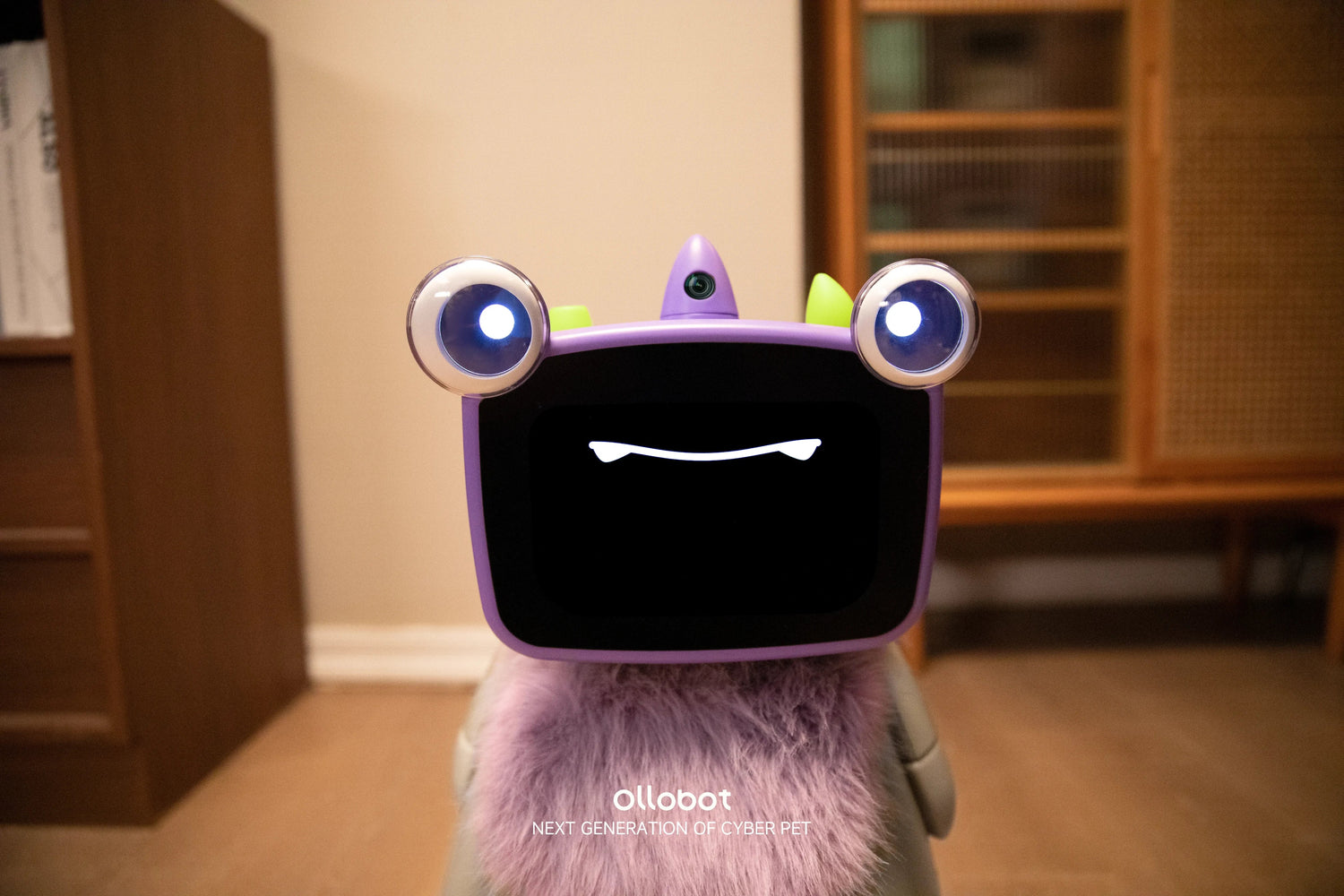
Interest in interactive companion devices and cyber pets is growing fast. People want social connection, and technology is filling new gaps in daily routines. Can a machine truly offer genuine companionship?
A robot companion pet provides real connection for many people, though it cannot completely replicate a living animal or human bond. How well it fits into everyday life determines if it feels like a real buddy or a short-lived toy.
How Can Interactive Robot Pets Create Companionship?
Modern companion robots bridge the gap between simple technology and emotional connection. Rather than acting like passive gadgets, the most engaging devices combine physical hardware with smart software to create a subtle, real-world bond.
Physical Presence Makes Technology Feel More Personal
Unlike a mobile app or home speaker, physical hardware shares actual room with its user. Seeing a companion move across a desk or turn toward a voice creates a grounded, personal dynamic that smartphone screens cannot imitate.
Expressive Behavior Helps Build an Emotional Connection
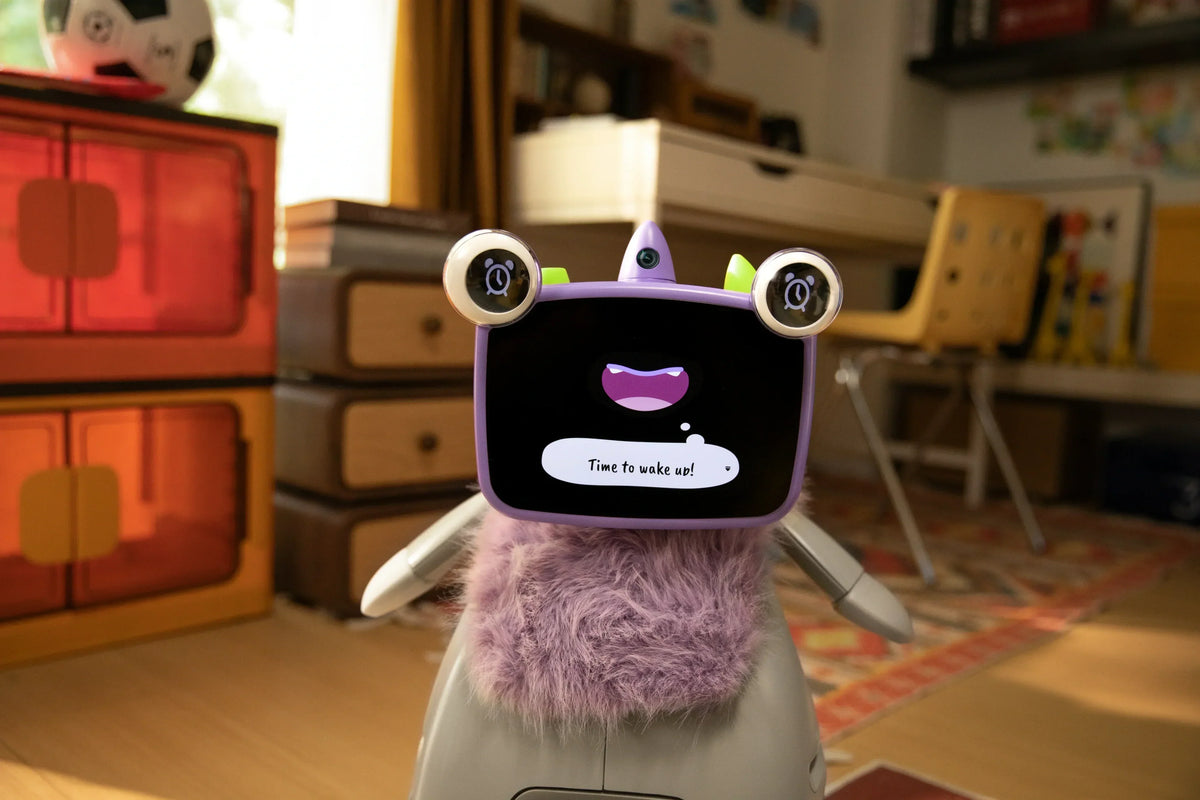
Commands alone feel mechanical. A genuine interactive robot pet uses voice tones, body language, touch response, and eye expressions to build a natural rhythm, reacting dynamically whenever someone reaches out.
A Steady Personality Creates a Sense of Familiarity
A distinct, steady personality helps interactions feel familiar over time. When a device displays consistent traits and adapts its reactions based on past choices, its presence feels like a recognizable friend rather than a random program.
Shared Memories Allow for Thoughtful Daily Interactions
Remembering habits, work schedules, and personal routines allows technology to act at the right moment. Initiating a subtle greeting after a long shift without interrupting busy focus creates a welcoming home environment.

Robot Pet vs. Real Pet: Can They Really Compare?
Comparing mechanical options with real animals highlights practical advantages and clear physical differences. Neither choice fits every household perfectly.
| Feature | Robot Pet | Real Pet |
| Maintenance | Low-maintenance | Requires ongoing daily care |
| Interaction | AI-driven and adaptive | Natural animal behavior |
| Behavior Origin | Programmed and updated | Develops organically |
| Presence | Physical hardware | Biological and emotional |
| Care Costs | No food or vet expenses | High food, health, and supplies cost |
| Customization | Customizable software | Fixed natural personality |
What Robot Pets Do Better
Hardware alternatives demand no feeding or vet visits, making them ideal for spaces with strict lease rules. They remain available continuously and update with fresh software features over time. It simply offers a clean, low-stress alternative.
What Real Pets Still Do Better
Living animals offer organic unpredictability, physical warmth, and rich sensory warmth. The deep mutual dependence formed with a real animal remains unmatched by software.
Are Robot Pets Good Companions for Adults?
Many adults assume these devices belong solely in playrooms, yet grown users often find significant value in daily usage.
For People Who Live Alone
Living alone can feel quiet. Having a physical presence that responds to movement, follows simple routines, and offers light entertainment adds structure to long evenings.
For Busy Adults
A robot companion for adults fits tight schedules. Busy professionals who travel frequently enjoy home companionship without worrying about pet care, feeding schedules, or sitters.
For People Who Cannot Keep a Real Pet
Apartment leases, severe allergies, and small living areas often stop people from adopting animals. A robot pet for adults solves these restrictions directly, allowing people with strict housing rules to enjoy an interactive domestic partner.
Selecting pet robots for adults provides steady daily engagement without adding chores to a packed schedule.
Are Interactive Pet Robots Good for Kids and Families?
Families use smart hardware for shared home activities. Proper guidance ensures these devices remain positive additions to the household.
Interactive Play and Engagement
Children engage with hardware through games, creative storytelling, and tech-driven exploration. These activities make learning about technology fun and hands-on.
Shared Family Experiences
Instead of belonging to one person, a hardware companion becomes a shared household character. Interacting together creates lighthearted moments during busy mornings or evenings.

Parents Still Need to Set Boundaries
Parents should manage camera and microphone settings, limit app time, and ensure interactions fit the child’s age. Real human relationships must always remain the main priority.
What Are the Limitations of Robot Companionship?
Understanding practical limits keeps expectations grounded.
A Robot Does Not Have Human Emotions
Recognizing human emotions differs from feeling them. Software processes vocal tones and visual cues without possessing actual consciousness or feelings.
Interactions Can Become Repetitive
Simple routines lose novelty over time. Devices require continuous software updates and adaptive learning to keep interactions engaging across months of use.
Robots Can Become Intrusive
Excessive alerts or unprompted sounds quickly get annoying. A well-designed system knows when to engage and when to stay quiet in the background.
Privacy Is a Major Consideration
Microphones, cameras, and facial recognition capture sensitive home data. Users must review storage policies, local processing options, and privacy controls carefully.
What Should You Look for in a Companion Robot?
Picking the right hardware requires looking at practical capabilities. Evaluating key features helps identify reliable options.
- Natural Interaction: Check for smooth voice recognition, touch sensors, fluid movement, and clear responses.
- Personality and Personalization: Look for systems that adjust behavior over time based on user preferences.
- Memory Management: Ensure the device remembers daily habits while giving users full power to delete stored data.
- Emotional Awareness: Seek devices that read vocal tones or contextual cues to adjust their mood.
- Privacy Controls: Pick models with physical camera covers, microphone mutes, and local data storage.
- Long-Term Support: Confirm the manufacturer provides regular software updates and fresh features.
Can an AI Pet Robot Become Part of the Family?
Successful designs focus on ongoing relationships rather than basic commands. Over time, predictable routines transform a piece of hardware into a familiar household presence.
A device that learns daily schedules, remembers past interactions, and displays steady personality traits fits naturally into living spaces. Combining emotional sensing, adaptive memory, and gradual personality growth turns a machine into a recognizable family character.
The goal is not building a machine that tricks people into seeing a real animal. The goal is creating a new category of home companion, often described as a cyber pet, with its own unique way of participating in everyday life.
Is an AI Companion Right for You?
Yes, a companion robot can be a great addition for the right owner. Its real strength comes from physical presence, responsive habits, steady personality, memory, and smooth integration into home routines.
While it will never replace human bonds or biological animals, it offers a distinct, low-stress alternative. The future belongs to smart systems that create an entirely new kind of everyday home connection.
FAQs
Q1: Do AI robot pets need Wi-Fi to work?
Some AI robot pets need an internet connection for cloud-based features such as advanced conversations, AI processing, or software updates, while basic functions may work offline. Check the manufacturer's requirements before buying, especially if reliable connectivity or local processing is important to you.
Q2: Can an AI robot pet learn its owner's routines?
Some AI robot pets can recognize users, remember selected interactions, and adapt to recurring routines. However, the depth of personalization varies between models, so check what the robot actually remembers and whether you can manage or delete stored information.
Q3: How long can an AI robot pet last?
The lifespan of an AI robot pet depends on its hardware, battery, software support, and availability of replacement parts. Before buying, consider battery replacement options, software updates, app compatibility, and how long the manufacturer expects to support the device.
Q4: Are AI robot pets safe for children?
AI robot pets can be suitable for children when their features match the child's age and parents manage connected functions appropriately. Families should pay particular attention to cameras, microphones, internet access, data collection, and available parental controls.

Leave a comment
This site is protected by hCaptcha and the hCaptcha Privacy Policy and Terms of Service apply.