
Key Takeaways
A good robot pet should do more than move, make sounds, or follow simple commands. In 2026, look for natural interaction, emotional awareness, user recognition, memory, a developing personality, expressive behavior, safe movement, useful play, strong privacy controls, reliable software, and practical battery life. The best choice depends on how well these features work together in everyday use.
Robot pets have moved beyond simple electronic toys. Today's AI pet robots can sense people and their surroundings, respond to different signals, remember interactions, and take a more active role in daily life. That makes choosing a robot pet less about counting features and more about checking how useful those features are together. Here are 12 features worth looking for in a smart pet robot in 2026.
1. Look for Multimodal Sensing in an Interactive Robot Pet
A robot pet feels more natural when it can take in different types of information instead of relying on a single button or voice command.
Voice, Vision, Touch, and Context
Look for a robot that can work with several forms of input, such as:
- Voice and other sounds
- Visual information
- Touch
- Movement
- Environmental conditions
- Context from previous interactions
This gives the robot more information to work with. For example, hearing a familiar voice is useful, but combining that sound with visual and behavioral cues can create a more personal response.
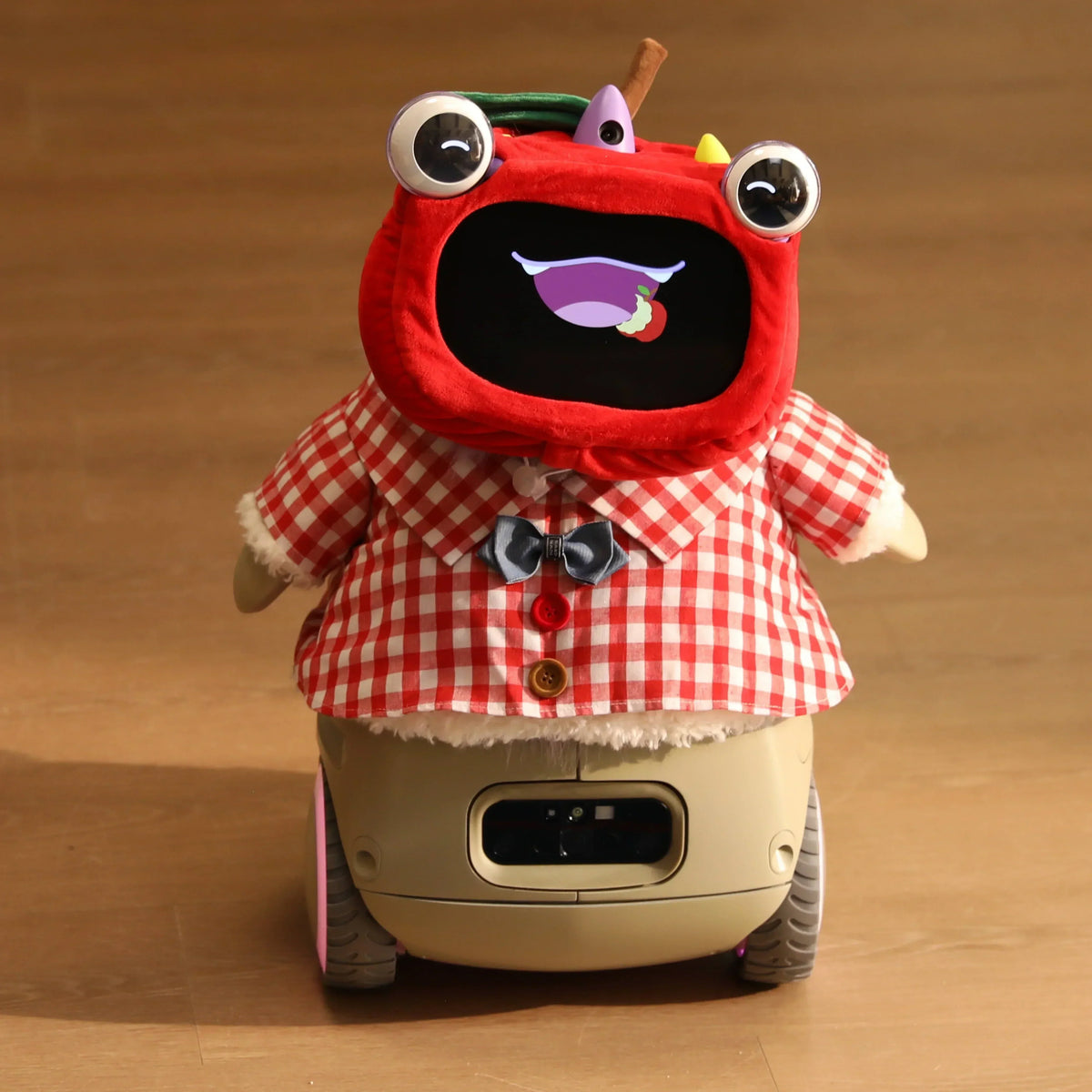
Current companion robots are moving toward this type of multimodal sensing. OlloNi, for example, combines visual, auditory, contextual, and emotional sensing as part of its interaction system.

2. Check for Emotional Awareness in an AI Pet Robot
Emotional awareness can make an AI pet robot more responsive to the people around it. The key is to look for systems that respond to observable cues rather than claims that a machine has human emotions. Depending on the product, an emotional system may consider:
- Voice tone
- Facial expressions
- Behavior
- Interaction patterns
- Surrounding context
The robot can then adjust its behavior, expression, or activity. Keep expectations realistic, though. Emotional awareness in a robot means detecting signals and choosing a programmed or AI-generated response. It does not mean the robot experiences emotions like a person.
3. Choose a Smart Pet Robot That Recognizes Family Members
A family may include several people, and each person may interact with a robot pet in a different way. User recognition can help the robot provide more personal responses.
Features to Look For
Depending on the product, recognition may include:
- Face recognition
- Voice recognition
- Body recognition
- Familiar pets
- Individual user profiles
A robot that can tell family members apart can offer more relevant greetings, responses, and activities. It can also build a better record of individual preferences over time. For any device with cameras or microphones, recognition should also come with clear privacy controls.

4. Prioritize Memory and Personalization
Memory gives an interactive pet robot a way to build continuity between different interactions. Without some form of memory, every conversation or activity can feel like a separate event.
What Should a Robot Pet Remember?
Useful personalization may include:
- Names
- Preferences
- Routines
- Favorite activities
- Past interactions
- Family moments
The important point is not simply how much data the robot stores. You should also check what it stores, where the information stays, and what control you have over it. A strong memory system should support personalization without turning the device into a black box for household data.
5. Look for an Evolving Personality
A robot pet can become more interesting if its behavior changes through repeated interaction. A fixed collection of animations may look impressive at first, but long-term personalization can create a stronger connection. Look for signs that the robot can:
- Learn household routines
- Adjust to user preferences
- Change its responses over time
- Develop familiar behaviors
- Build continuity across interactions
This is different from simply having hundreds of preloaded expressions. For buyers, the practical question is simple: Will the robot behave differently after months of interaction, or will it still act exactly the same as it did on day one?
6. Check How the Robot Uses Expressions and Body Language
Communication does not have to rely on words. Facial expressions, sounds, movement, and body language can help a robot pet show what it is doing or how it is responding.
Useful forms of expression include:
- Eye animations
- Facial expressions
- Head or body movement
- Sounds
- Voice
- Visual effects
These signals can make the robot easier to read. A change in expression may show curiosity, excitement, sleepiness, or another state without requiring a spoken explanation.
OlloNi uses its face, body language, and voice to express different states, making expression part of the interaction rather than a simple visual effect.

7. Choose a Robot Pet With Autonomous Movement
Movement is a major part of what separates a robot pet from a stationary AI device. A mobile robot can be present in different parts of the home and respond to activity around it.
What Good Autonomous Movement Looks Like
Look for features such as:
- Independent movement
- Approaching users
- Moving toward activity
- Initiating interactions
- Returning to a charging station
8. Check Smart Navigation and Environmental Awareness
A mobile robot needs more than motors. It needs to sense its surroundings well enough to move safely and respond to changes in its environment.
Navigation Features Worth Checking
Look for:
- Obstacle detection
- Fall detection
- Orientation sensing
- Spatial awareness
- Navigation sensors
- Environmental sensors
These features can reduce collisions and help the robot make better movement choices. Some smart robot pets also use environmental information such as temperature, humidity, lighting, or spatial conditions to make interactions more relevant.
For a home robot, practical navigation can matter more than flashy movement demos. A robot that moves smoothly and avoids problems is easier to live with every day.
9. Look for Interactive Play and Activities
A robot pet needs reasons to interact with people after the first few days. Games and shared activities can help keep the experience fresh, especially for families. Useful activities can include:
- Simple games
- Questions and answers
- Creative activities
- Family play
- Daily routines
- Shared entertainment
For parents, it is also worth checking whether activities match the intended age group and whether new content can be added later.
This also helps separate a modern interactive pet robot from a basic robot pet toy. A toy may perform a set number of actions, while an AI companion can combine play with sensing, memory, and personalization.
10. Make Privacy and Data Controls a Buying Priority
Cameras, microphones, recognition systems, and memory can make an AI pet robot more capable, but they also make privacy more important.
Questions to Ask About Privacy
Before buying, check:
- Does the robot have a physical camera cover?
- Is sensitive information processed locally?
- Is data encrypted?
- Does recognition require permission?
- Can users control stored memories?
- Can personal data be deleted?
- Does the robot need a cloud account for core functions?
These questions matter even more for a robot used around children and other family members. Privacy should be treated as part of the product's everyday usability, not as a technical detail buried in the settings menu.
11. Check the Companion App and Software Updates
A robot pet is a combination of hardware and software. The app and update system can affect how easy it is to customize, maintain, and use the robot over time.

What a Good Companion App Can Do
Useful functions may include:
- Personality settings
- Memory management
- Daily activity tracking
- Interaction controls
- Customization
- Device settings
Regular updates can improve performance, add functions, fix problems, and support security. Ask how often updates are released and how much of the robot's core experience depends on an internet connection.
12. Check Battery Life and Automatic Charging
A robot pet can have impressive AI and sensors, but poor battery performance can make daily use frustrating. Battery life should match how often you expect the robot to move and interact. Compare:
- Active battery life
- Standby time
- Charging time
- Charging method
- Automatic docking
- What happens when the battery is low
Automatic charging can reduce the work required from the owner. Instead of remembering to plug in the robot, it can return to a charging station when needed.
Choose a Robot Pet That Can Grow With You
The best robot pet in 2026 is not necessarily the one with the longest feature list. Look for a system that can sense its surroundings, recognize people, respond to emotional cues, remember useful information, develop a personality, communicate through expressions, and move safely through the home.
Practical features matter too. Privacy controls, software support, useful activities, and dependable battery performance can shape the experience just as much as AI capabilities.
The strongest smart robot pets bring these pieces together: sense, recognize, remember, adapt, express, and interact. That combination can turn a robot from a short-term novelty into a more useful everyday companion.

FAQs
Q1: What Is the Difference Between a Robot Pet and an AI Pet Robot?
A robot pet is a broad term for an interactive robotic companion, while an AI pet robot typically uses AI to recognize inputs, adapt its responses, remember interactions, or personalize behavior. Some robot pets work mainly through preset behaviors, while more advanced AI models can combine sensing, memory, and adaptive responses.
Q2: Are Robot Pets Suitable for Children?
It depends on the robot, the child's age, and how the device is used. Parents should check age recommendations, physical safety, privacy controls, internet requirements, and the type of content the robot can provide. For connected AI toys, supervision and privacy settings deserve extra attention because some products can collect voice, image, or behavioral data.
Q3: Can a Robot Pet Work Without an Internet Connection?
Some can, but offline capabilities vary widely. Basic movement, sensors, or preset activities may work without an internet connection, while features such as cloud-based AI conversations, remote app access, or some software services may require connectivity. Check which core functions remain available offline before buying.
Q4: What Should You Consider Besides Features When Buying a Robot Pet?
Consider the robot's price, intended user, home environment, privacy policy, maintenance needs, software support, battery life, and long-term usefulness. A robot with fewer features may be a better fit if it is easier to use, requires less maintenance, and fits your family's privacy and daily-use preferences.


Leave a comment
This site is protected by hCaptcha and the hCaptcha Privacy Policy and Terms of Service apply.